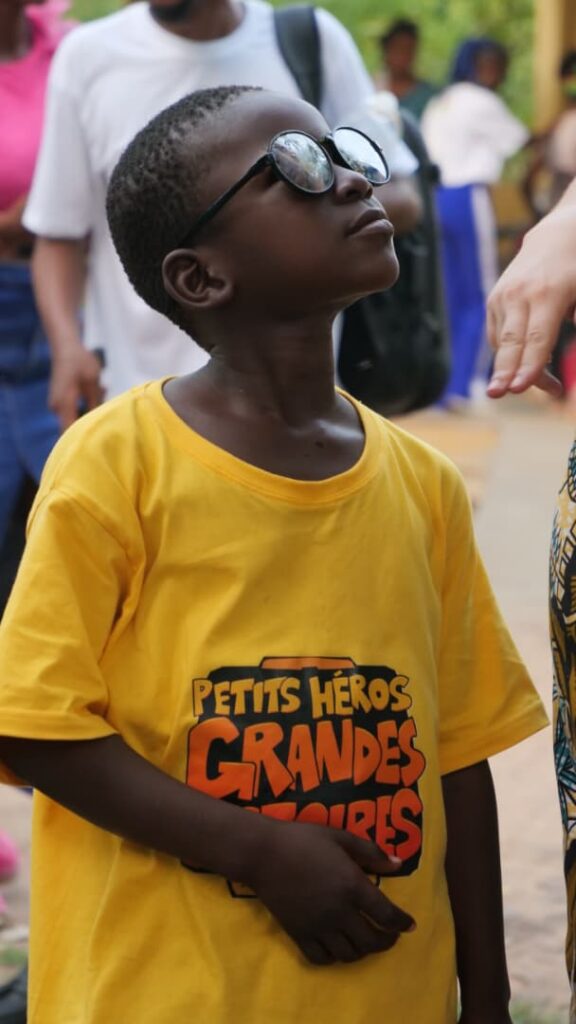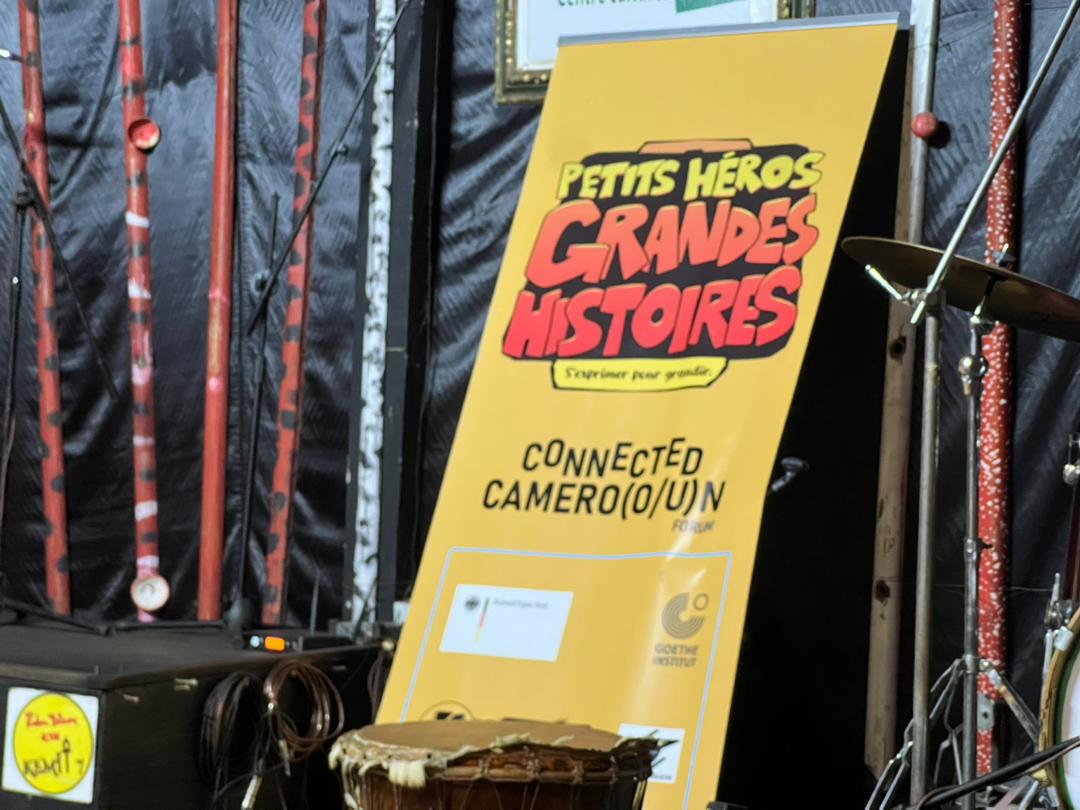
From March 25 to April 11, something powerful unfolded in Garoua, Northern Cameroon. Within the walls of the Saaré Djabbama Reception Center, a group of children—each carrying their own story, their own struggles, their own dreams—were given something rare: a space to express, to create, and to be heard.
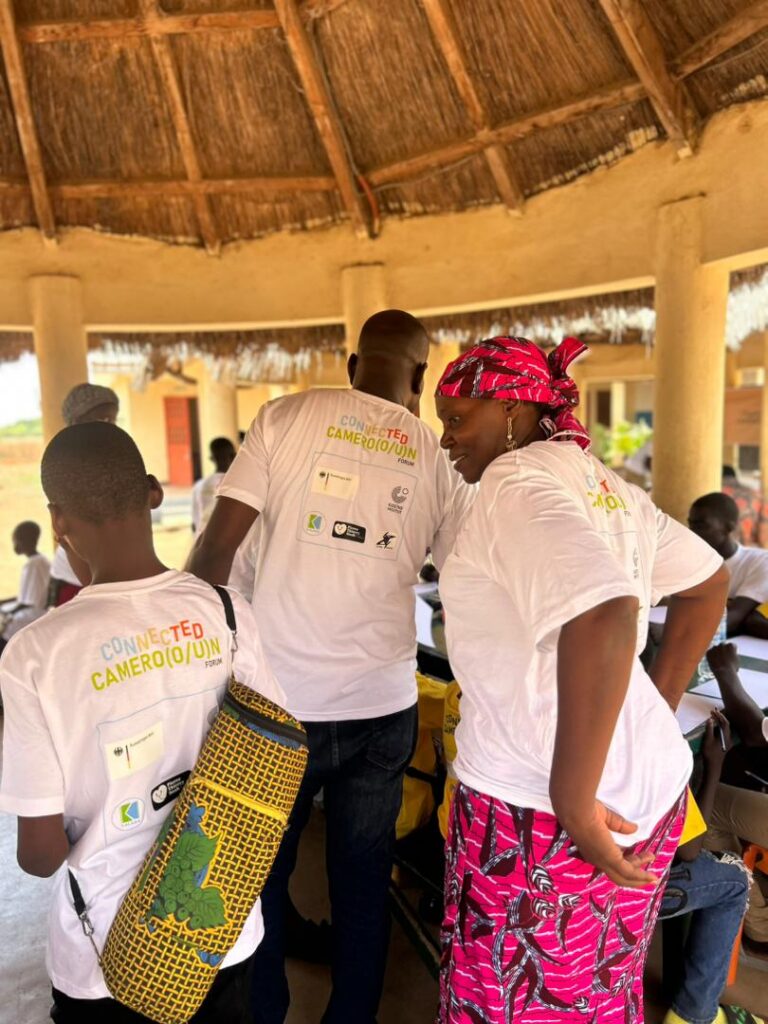
This was the first phase of Petits Héros, Grandes Histoires, a project led by the Pierre Thierry Noah Foundation under the CONNECTED CAMER(O/O)N initiative of the Goethe-Institut Kamerun supported by the German Federal Ministry of Foreign Affairs, and creative partners Kalara Productions and Zouria Théâtre.
But beyond the institutional framework, what truly defined this project was simple:
children discovering the power of their own voice.
A Space to Imagine, Create, and Belong
For ten days, the center transformed into a vibrant creative hub. The usual routines gave way to something different—laughter, movement, colors, words, and stories taking shape.
The children, many of whom were orphans, internally displaced, or living with special needs, were invited to explore art in its many forms. Through theatre, drawing, and creative writing, they began to express thoughts and emotions that often remain unspoken.
Some stories were joyful. Others carried traces of hardship. But all of them mattered.
And perhaps for the first time, many of these children were not just participants—they were authors, illustrators, performers.
They were, as the project intended, the heroes of their own stories.
Learning Beyond Language and Barriers
What made this experience even more remarkable was its deeply inclusive approach.
Not all children spoke French fluently. But that did not become a barrier—it became an opportunity for collaboration.
Through peer support and guidance from facilitators, stories flowed in Fulfulde, translated, shared, and celebrated collectively.
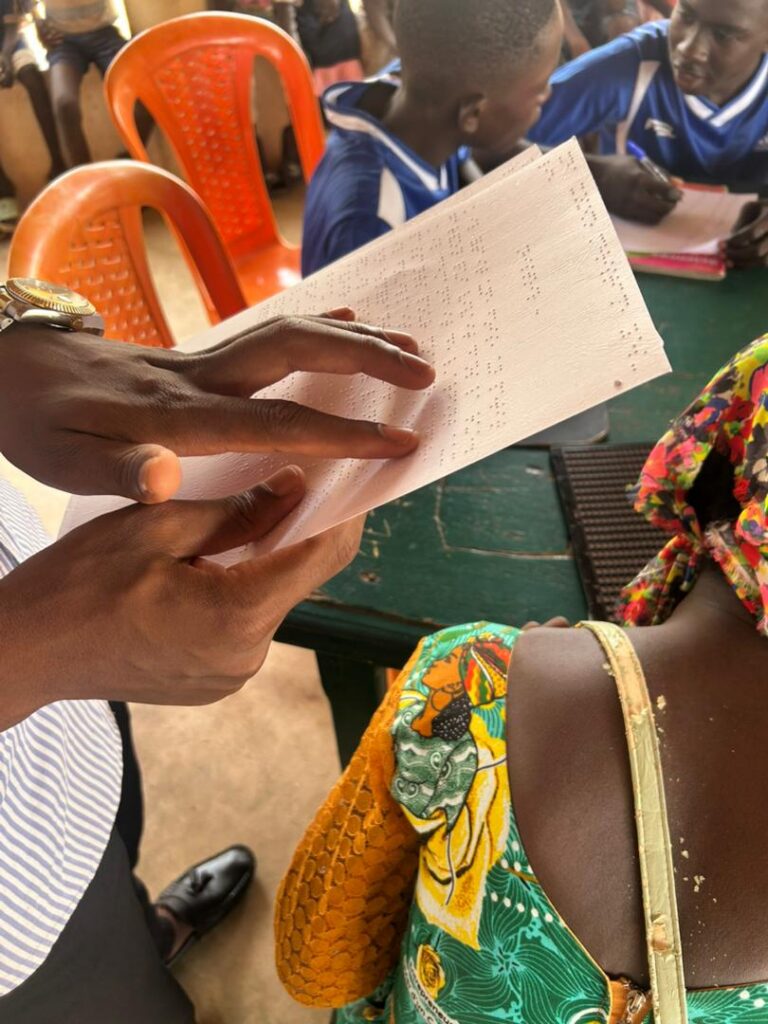
In one of the most powerful examples of inclusion, a visually impaired trainer led sessions for children with special needs. His presence was more than symbolic—it was transformative. It showed, in the most tangible way, that limitations do not define potential.
From Workshops to Stage: A Moment of Pride
On April 11, the project reached a meaningful milestone with a public restitution event held at the Alliance Française of Garoua.
That day, the children stepped into the spotlight.
They performed a theatre piece, bringing their stories to life with confidence and emotion. Around them, their drawings were displayed in an exhibition titled “État d’âmes” (States of Mind)—a visual journey into their inner worlds.
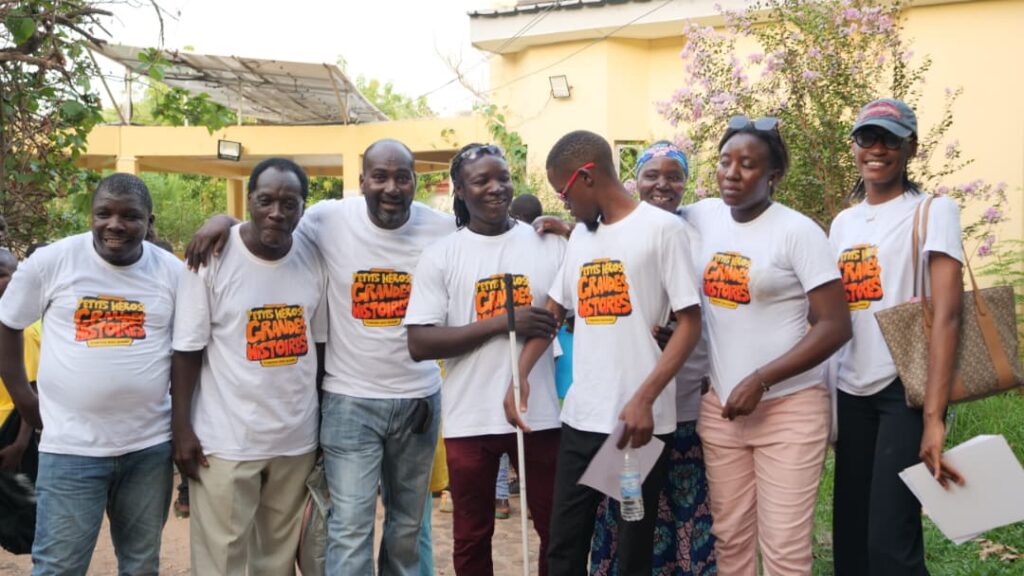
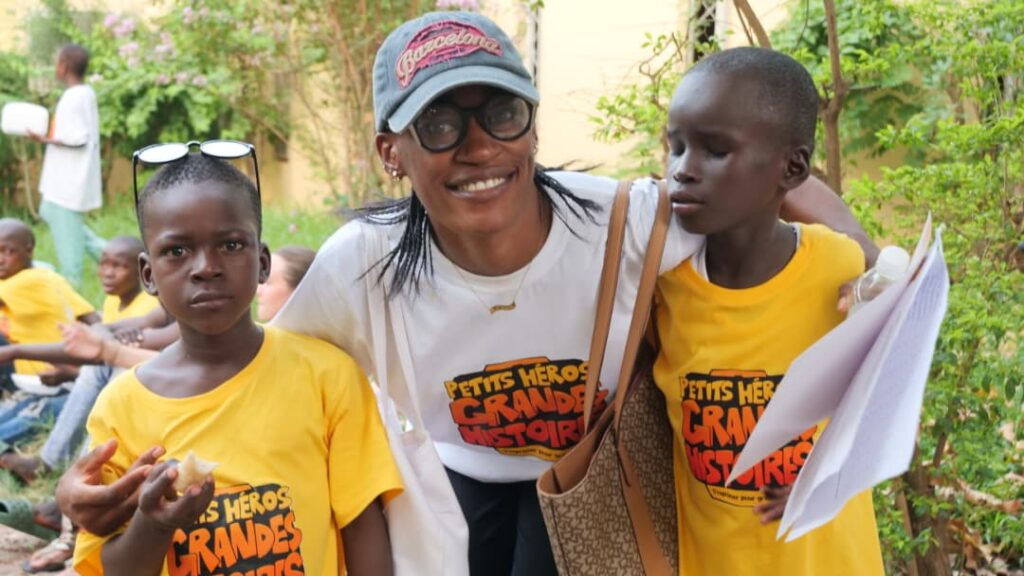
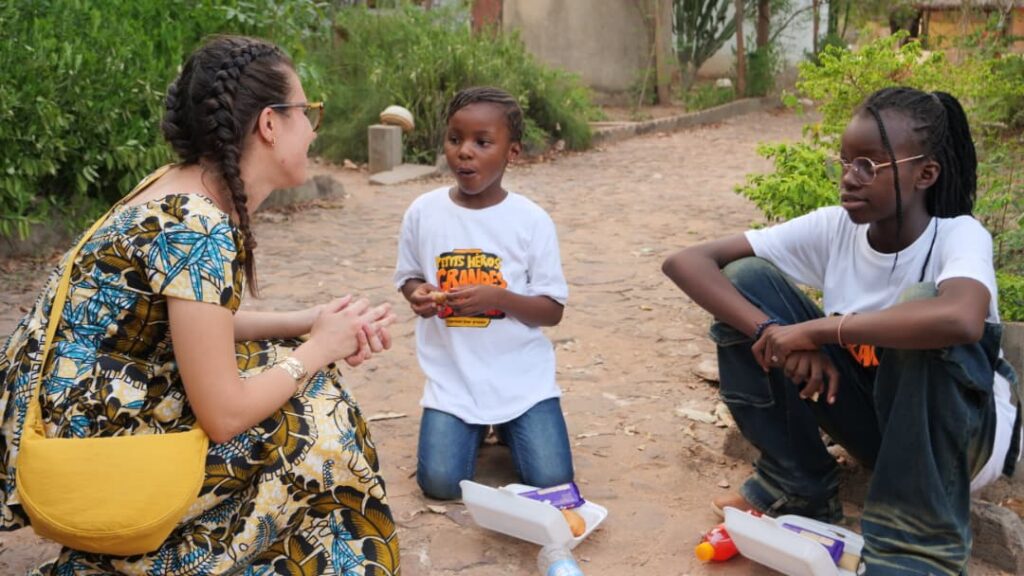
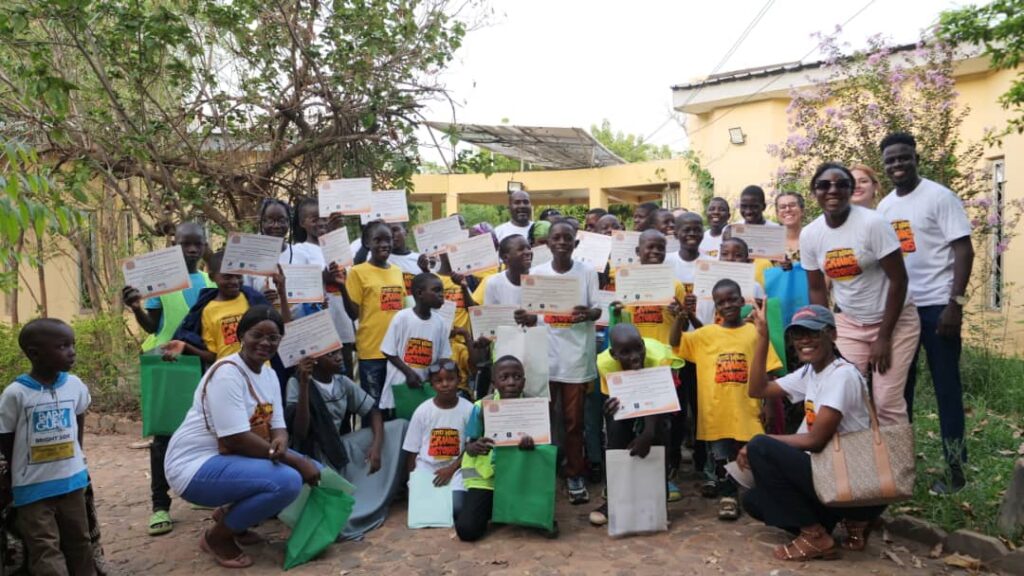
Families, partners, and guests witnessed something far greater than a performance or an exhibition.
They witnessed growth, courage, and transformation.
The event also received media coverage from Galaxie Télévision, Canal 2 International, and several local outlets—amplifying the voices of children who are too often unheard.
Stories That Will Continue Beyond the Project
As the workshops came to an end, the impact did not.
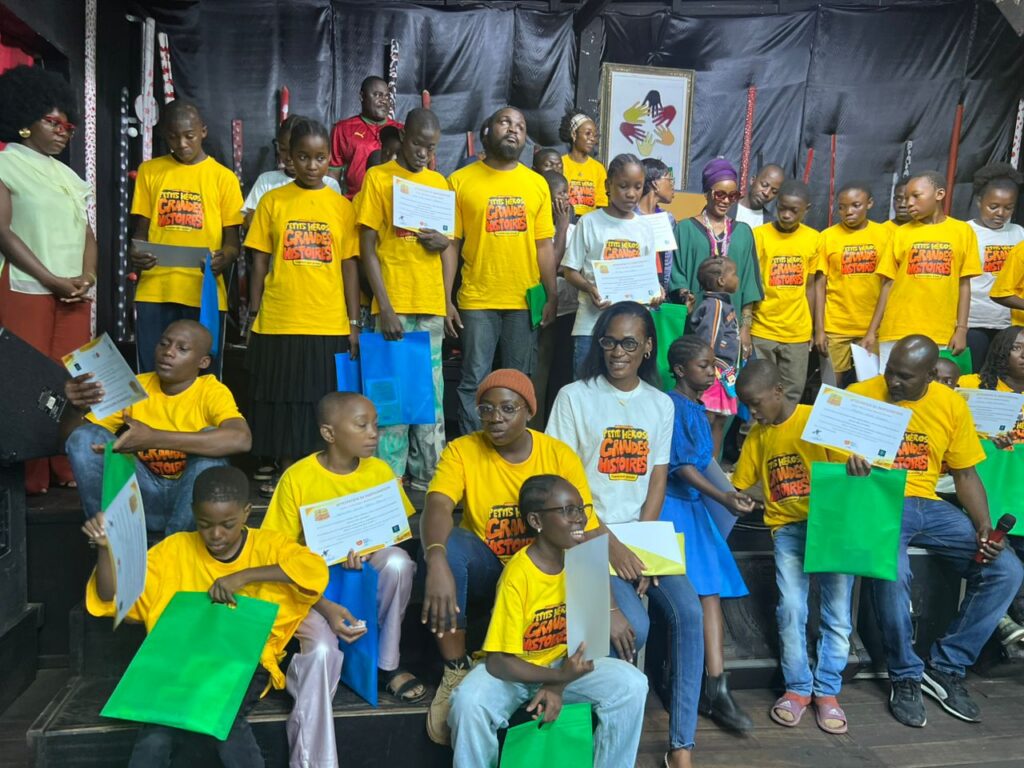
Each child received a creative kit, ensuring that their journey would continue beyond those ten days. The stories they began would not be left unfinished.
In the months to come, these stories will also be brought together in a published magazine, preserving their voices and sharing them with a wider audience.
Because stories, once told, have the power to travel, to inspire, and to change perspectives.
A Journey That Continued in Yaoundé
While this first phase in Garoua marked a significant chapter, it was only the beginning.
From April 20 to 30, the second phase of Petits Héros, Grandes Histoires continued in Yaoundé, bringing the same energy, creativity, and purpose to a new group of children—expanding the circle of voices, stories, and impact. Be sure to check out our blog for a dedicated article on this second phase!
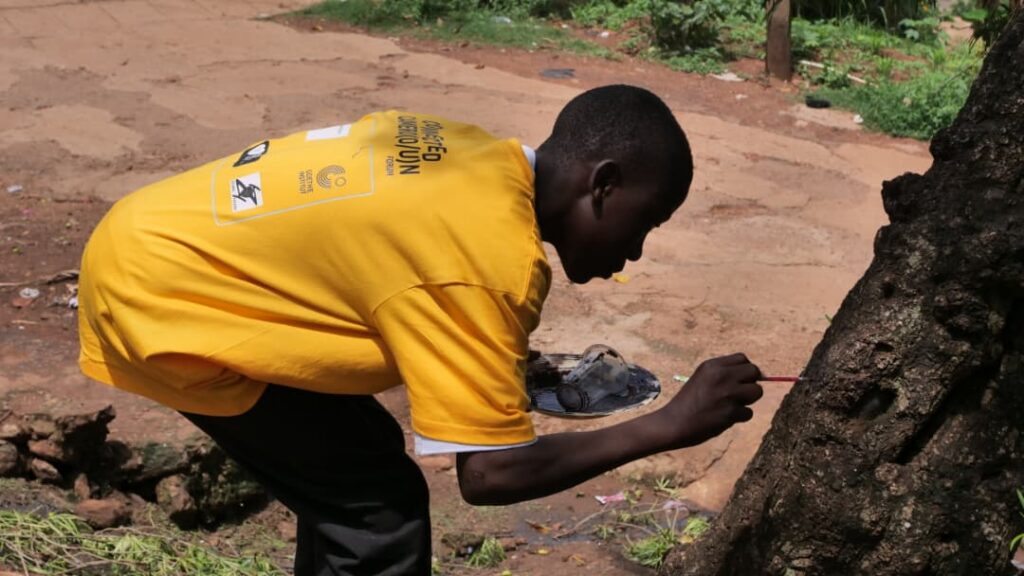
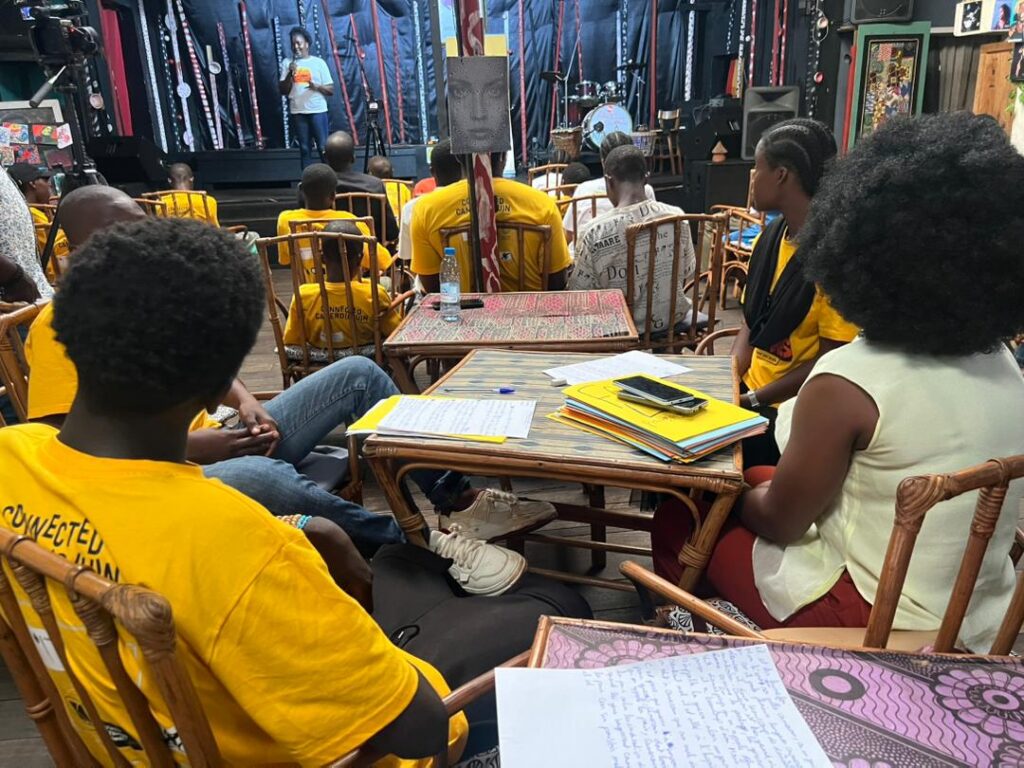
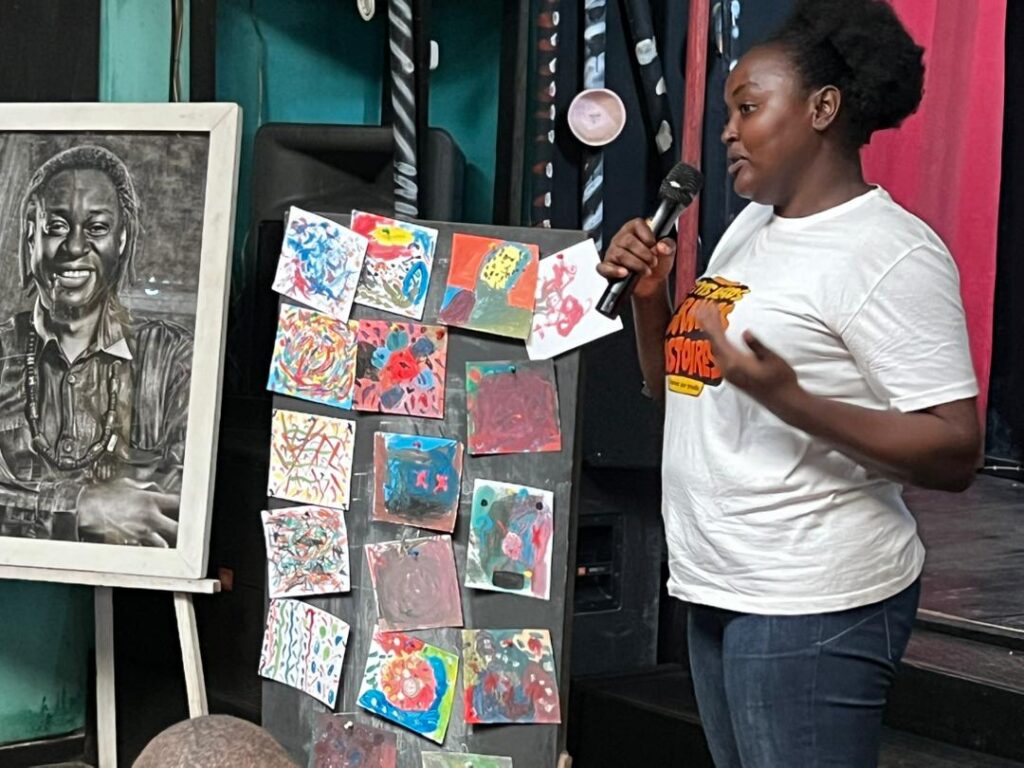
Some images of the restitution held at the Ubuntu Cultural Center (CCU) in Quartier Fouda, Yaoundé, on Wednesday the 29th April 2026.
More Than a Project—A Platform for Expression
Petits Héros, Grandes Histoires was more than a series of workshops.
It was a reminder that every child has a story worth telling, and that sometimes, all they need is the right space—and someone willing to listen.
Through art, these children did not just learn new skills.
They reclaimed something essential: their voice, their confidence, and their place in the world.
And that is where true impact begins.