
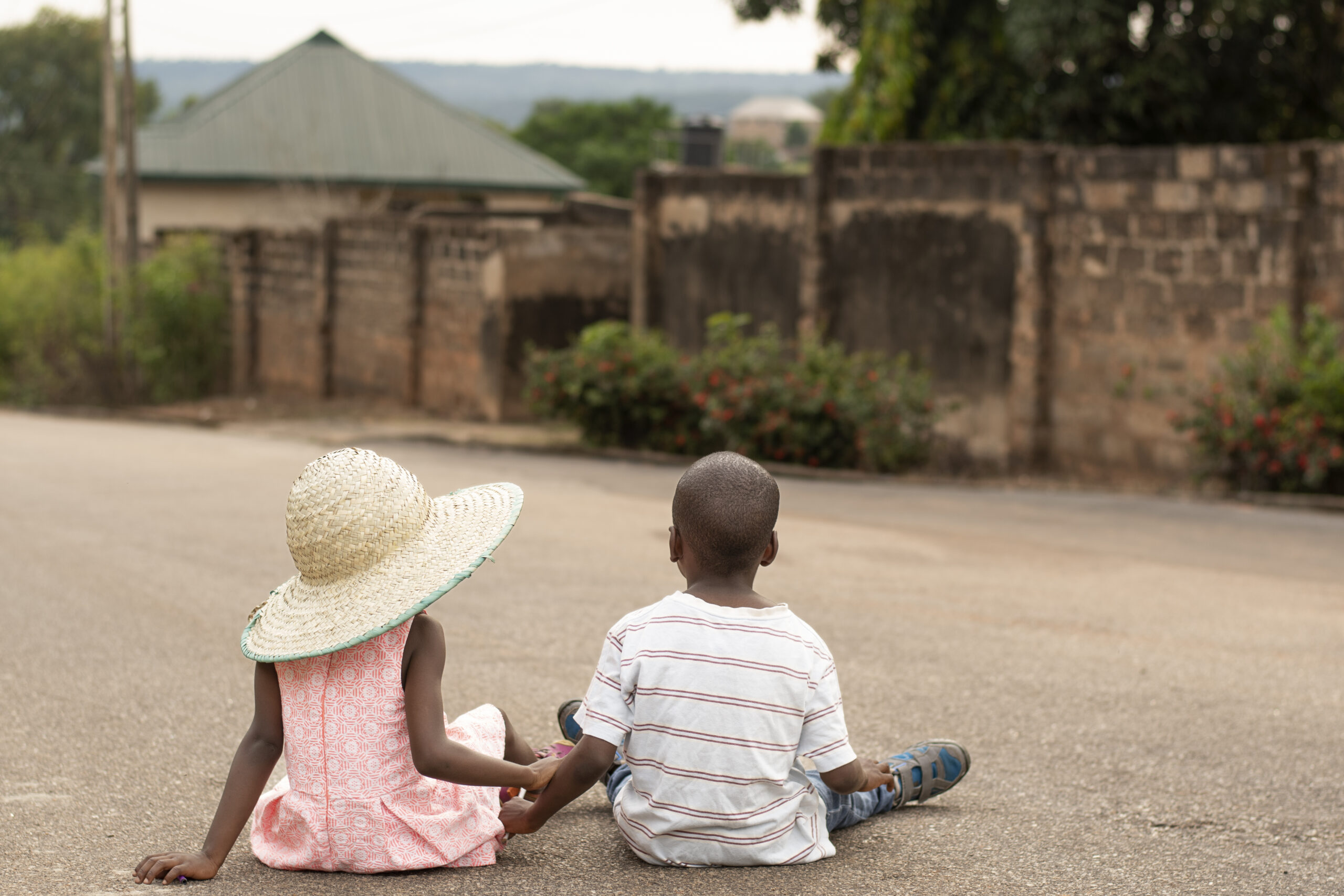
Since 2023, Pierre Thierry Noah Foundation has been committed to a project of the utmost importance, devoting all its resources to making it a reality. Today, we are proud to unveil this project that is so close to our hearts: the schooling of underprivileged children in rural areas, in what we affectionately call “Betta Place”. Our mission and vision are clear (see Betta Place), but now we need to make sure the project is feasible and relevant to the targeted children. That’s why we’re launching a pilot phase we call the “initiation phase or phase 0”. But what does this initiation phase actually entail? With the aim of reducing inequalities in access to education, Pierre Thierry Noah Foundation is setting up a special schooling program for rural children with high academic potential. Our aim is to break the vicious cycle – under-schooling, illiteracy, unemployment, precariousness, rural exodus, frustration and the urban scourges that follow – in which many rural communities are plunged. Our focus is on quality education, adapted to local culture and sustainable development objectives. Our aspiration is to create a healthy, serene environment where children can flourish and become the heroes of tomorrow, in what we call Betta Place, a better place to raise future generations. Our objectives are manifold: To provide beneficiaries with a quality education with almost complete financial coverage, introduce them to innovative trades to help achieve the Sustainable Development Goals, and strengthen their empowerment skills to better prepare them for their adult lives. By now, you’re probably wondering: when will the project start? Who will be the beneficiaries? What will be the different components of the project, and what results do we hope to achieve? All these questions will be answered in future articles. In the meantime, you can find out more about what we’re doing by following this link. We’d also be delighted to hear from you on our various social networks. Take part in our action and support our future heroes by making a donation for a better future for all. Together, we’re stronger!
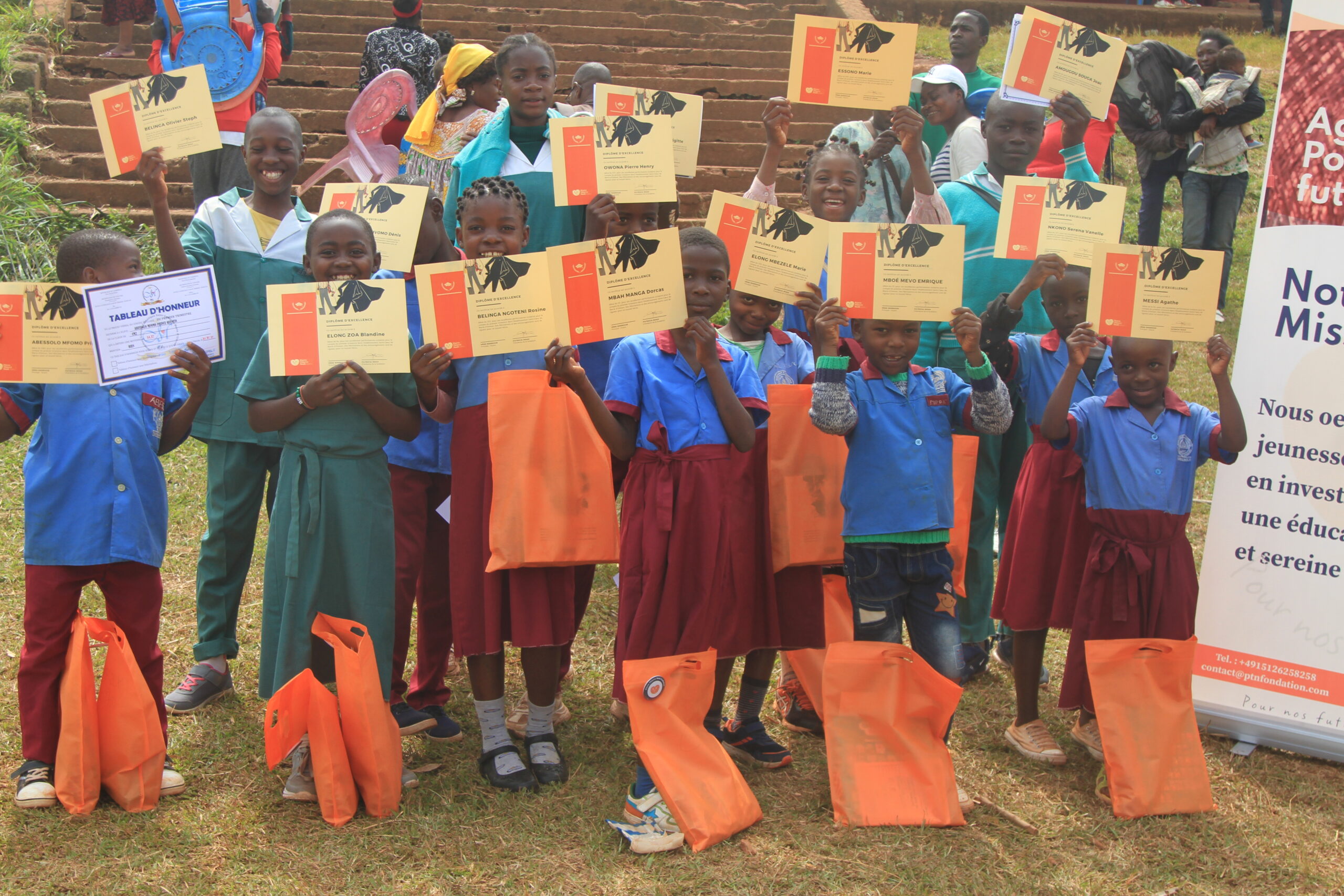
Mid-term review: Promising statistics for the 2023-2024 school year
We wanted to share with you the promising results of the Omvan elementary school for the 2023-2024 school year. The school is supported by Pierre Thierry Noah Foundation thanks to the generosity of dedicated individuals and professionals. Significant progress revealed in statistics Firstly, the statistics reveal significant progress in several key areas. The pass rate between the first and second terms rose by 12% in all classes, from SIL to CM2. By comparison, the average rate of improvement in school results in Cameroon was 6% in 2020, according to UNESCO data (UNESCO Institute for Statistics, September 2022). This increase testifies to the positive impact of additional resources and pedagogical support on students’ academic performance. It also reflects the effectiveness of the measures put in place to reinforce learning and subject understanding. Zero Absence, A Striking Reality Secondly, the school’s absenteeism rate is 0% this year, with an impressive 32% drop compared to 2022-2023. In Cameroon, the average absenteeism rate is around 15% according to the World Bank’s World Development Indicators (September 2022). The mobilization of children and families around schooling is bearing fruit. This demonstrates the effectiveness of efforts to encourage pupils to attend class regularly, which is essential for maximizing their learning potential. Gender balance and challenges to overcome In addition, the school will welcome 108 boys and 102 girls in 2023-2024. Although slightly more boys, this distribution is relatively balanced, especially compared with the trend in Sub-Saharan Africa, where girls are often at a disadvantage. According to UNESCO, there are around 10% fewer girls than boys in primary education in this region (Global Education Monitoring Report 2022, UNESCO, June 2022). Nevertheless, there are some discrepancies between classes, such as in CE1 (24 girls vs. 19 boys). We will therefore continue to promote equal opportunities for all students, which is the cornerstone of quality education and the development of their full potential. Relative Parity, but Awareness Persists Compared with enrolment trends for boys and girls in sub-Saharan Africa, where girls often face additional barriers to accessing education such as early marriage, domestic responsibilities, and unfavorable cultural norms, Omvan’s school statistics show relative gender parity. However, it is crucial to continue raising awareness of gender issues and promoting equal opportunities in education to ensure that all students, regardless of gender, benefit from the same learning and development opportunities. A sincere thank you for your support In conclusion, we express our gratitude for your support in making this encouraging educational progress possible. The collaboration between Pierre Thierry Noah Foundation, the dedicated donors, and Omvan school is truly having a positive impact on the students’ academic and personal futures. We will continue to work together to create an optimal educational environment, where every child has the opportunity to flourish and realize his or her potential. Thank you for your commitment to education and equal opportunities. Want to make a difference in the lives of Future Heroes? Join us in this educational mission. Every gesture counts! To get involved, click here. Together, let’s cultivate education and sow the seeds of the future for these promising young minds. Learn more about how Pierre Thierry Noah Foundation contributes to education of children in Cameroon. Click Here!
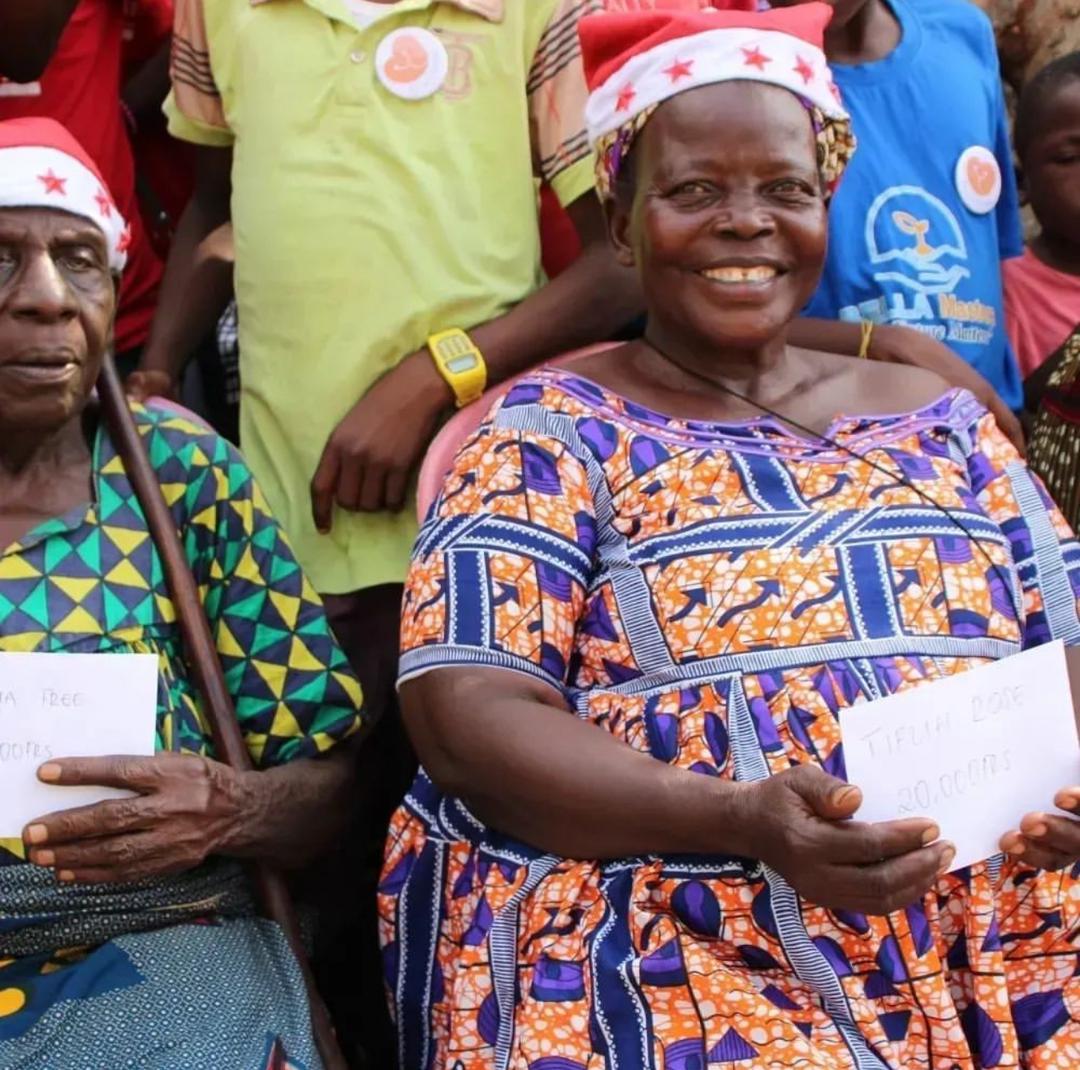
Christmas 2023: A Magical Collaboration between Pierre Thierry Noah Foundation and Royalty World
Pierre Thierry Noah Foundation is delighted to share the extraordinary moments of Christmas 2023, marked by an exceptional partnership with Royalty World, a non-profit association dedicated to community development. Together, we worked to bring joy and support to children affected by the ongoing crises in Cameroon. This year’s edition of Christmas for Heroes, renewing our ongoing commitment, successfully took place in the South-West region, extending our reach after last year’s triumph. Our mission remains unwavering: to recognize and reward academic and extracurricular achievement, while promoting the values of family, generosity and gratitude. Despite the challenges faced in the Southwest region, our partnership with Royalty World strengthens our ability to make a meaningful impact. Together, we have created an unforgettable Christmas party, offering not only gifts, but also hope and happiness to these resilient children. The magic of Christmas has come to Bolifamba! In collaboration with Pierre Thierry Noah Foundation, Royalty World and the Mendem Foundation supported the Bolifamba community on December 18, 2023. Royalty World scholarship students devoted their school vacations to cleaning and decorating the homes of each beneficiary, creating a warm atmosphere for Christmas. As part of this initiative, foodstuffs were donated to support these beneficiaries and share in the joy of Christmas. The beneficiaries have expressed their gratitude for this act of love, and we are grateful to have been able to provide a little comfort during this festive period. After all the hard work in Bolifamba, it was time to relax! On December 19, 2023, the staff and beneficiaries of Royalty World and the Mendem Foundation gathered in a peaceful haven in Limbe, a popular tourist destination. After a year rich in discovery, commitment and learning, it was high time to let off steam. It was a pleasure to see the illuminated faces of these young heroes. Together, we created a well-deserved moment of happiness and relaxation! We are deeply grateful for this new alliance between Pierre Thierry Noah Foundation and Royalty World. When like-minded people meet, bonds are forged and concrete actions take shape. We wish all the best to those who give their time every day to help those most in need. Together, let’s make a significant difference in the lives of those who need our support most. Learn more about how Pierre Thierry Noah Foundation contributes to education of children in Cameroon. Click Here! Donate today to make a change for our Future Heroes!
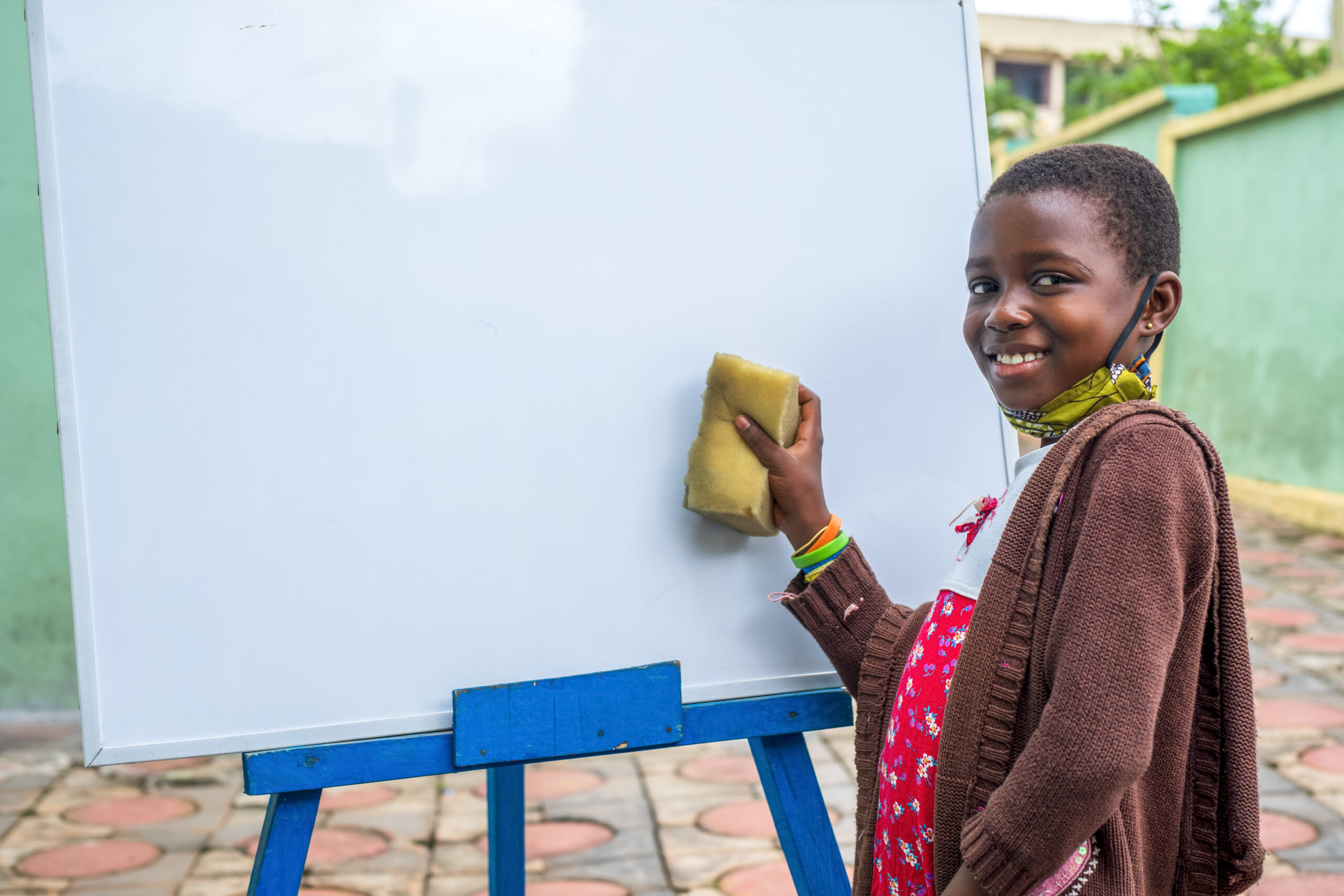
Results of the Heroes 2023 back-to-school
We’re thrilled to share the outstanding results of the second edition of the “Heroes Back-to-School”, a flagship initiative at Pierre Thierry Noah Fondation. In September 2023, we awarded scholarships, merit awards and school supplies to elementary (SIL to CM2) and middle school (sixième to terminale) students at Omvan school. The results obtained during the first term bear witness to a remarkable success. The beneficiaries stand out among the best in their respective classrooms, showing notable progress. The top two in each class from SIL to Terminale are scholarship holders. Much of this success can be attributed to the elimination of worries about school supplies, a major factor in boosting students’ motivation to study. Administrators, teachers and parents unanimously emphasize that the elimination of these concerns has had a positive impact on the children’s motivation. The scholarships awarded by the Foundation have also eased the financial burden on parents, enabling them to devote more time to their children’s education rather than to economic concerns. The first quarter saw a significant reduction in absenteeism and drop-out rates, highlighting the tangible impact of the Foundation’s initiatives. These results testify to the strength of our ongoing investment in education. Pierre Thierry Noah Foundation’s Heroes Back to School is not just an annual celebration, but an ongoing commitment to education, inspiration and success. The results achieved so far are just the beginning of a success story that will continue to be written with everyone’s support. Thank you for being part of this exceptional educational adventure. Together, let’s continue to invest in education to shape a promising future for these young heroes. Your continued support is essential to maintaining this positive momentum and providing invaluable educational opportunities for our future Heroes. Learn more about how Pierre Thierry Noah Foundation contributes to education of children in Cameroon. Click Here! Donate today to make a change for our Future Heroes!
Overcoming the Barriers to Bilingualism in Cameroon: A Call to Action
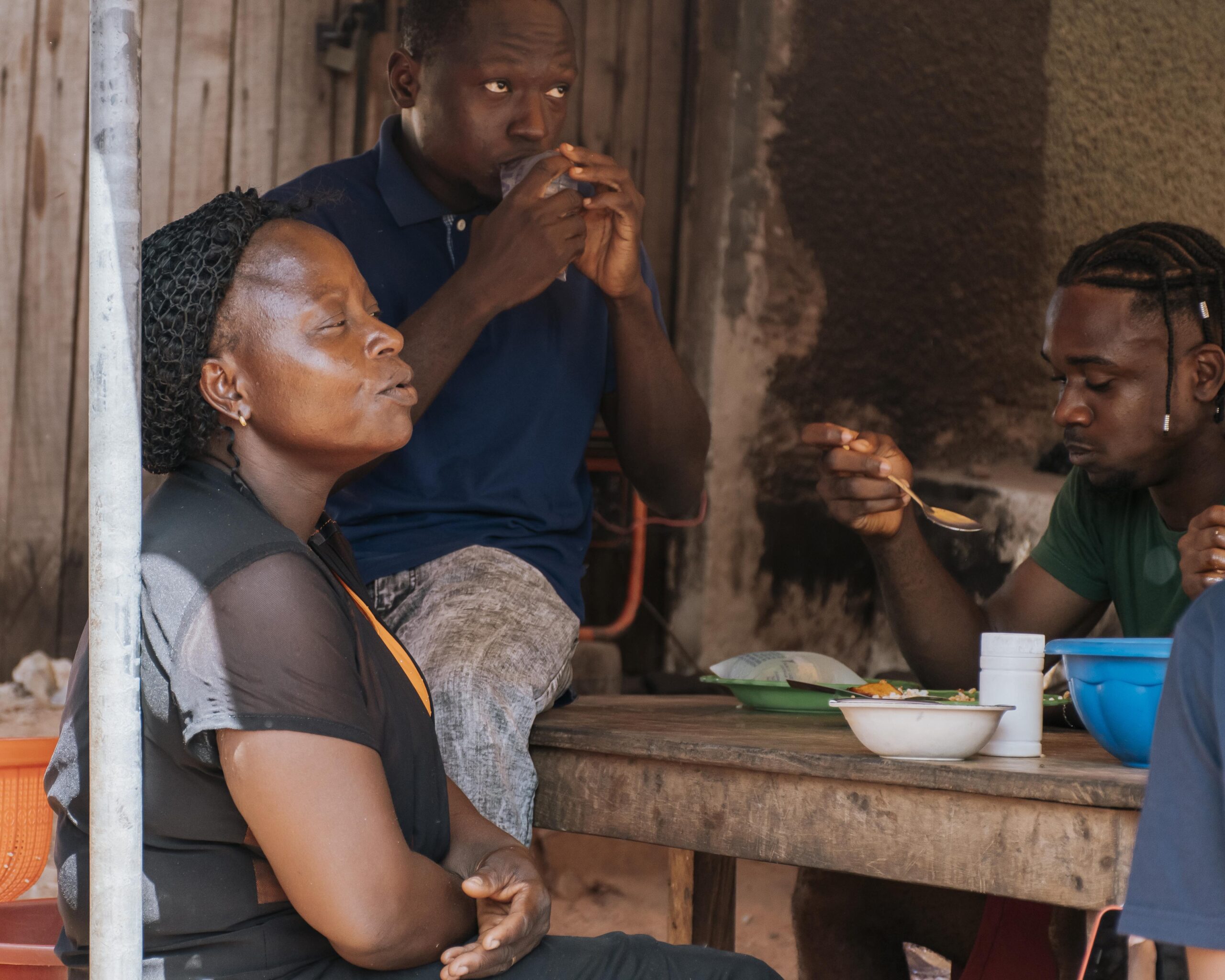
Cameroon, a country rich in linguistic diversity with 69 recorded languages, aspires to bilingualism with French (56%) and English (23%) as its official languages. However, the 2005 census reveals major challenges: only 11.6% are literate in both languages, and 28.8% in neither. Obstacles to bilingualism Variations in the quality of official language education can contribute to a low rate of bilingualism. Differences in school curricula and educational resources can affect the acquisition of language skills. Lack of awareness of the importance of bilingualism can contribute to low interest in learning both languages Socio-economic factors such as limited access to quality educational opportunities can play a role. Disadvantaged families may find it difficult to invest in bilingual education for their children. The absence of daily opportunities to practice both languages can hinder the development of bilingualism. An environment where only one language is widely used to the detriment of the other can affect the mastery of both languages. The complexity of the linguistic structures of the two official languages can present a challenge to those seeking to master them simultaneously. This can be particularly true for language groups whose mother tongues differ considerably from English or French. The lack of coordinated and coherent educational policies to promote bilingualism can lead to uneven implementation of educational programs across the country. Historical legacies, including periods of colonization, can also play a role in the predominance of one language over the other, influencing the perception and practice of bilingualism. Nevertheless, these challenges offer opportunities… Encourage communities to create bilingual learning spaces. Invest in innovative and adapted bilingual programs. Create engaging educational resources to stimulate learning. Let’s work together to overcome the obstacles to bilingualism in Cameroon. The future of our nation depends on an educated population able to communicate effectively in our official languages. Bilingual education is the key. Learn more about how Pierre Thierry Noah Foundation contributes to education of children in Cameroon. Click Here! Donate today to make a change for our Future Heroes!
1200 books, 1200 dreams: an enchanted library for Omvan’s heroes
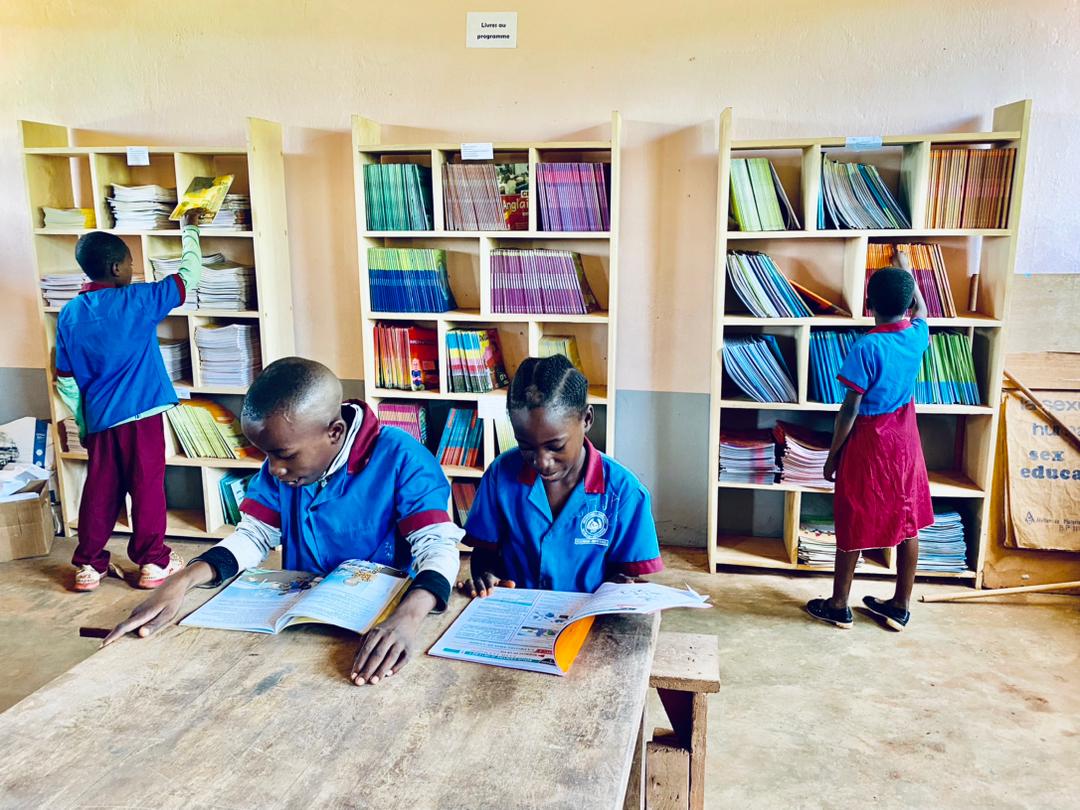
In the charming village of Omvan, children look forward to their playtime and school hours. Why do they do this? Because they now have access to the brand-new library donated by Pierre Thierry Noah Foundation, filled with captivating books. Each book contains a different subject, and the children are delighted to discover which they find most appealing. It’s an extraordinary opportunity for them to better understand the wonders of these subjects and to grasp what they can bring them for the future. Dénis loves math. Thanks to the book he has discovered, he has a better understanding of the concepts taught by his teacher. Every evening, he copies out the exercises and solves them at home, checking the answers the next day. He even uses his new knowledge to help his mother with her accounts when she comes home from her evening market sales. He’s very proud of this. Marie, for her part, is fascinated by the natural sciences. In her book, she learns all about flowers. She now knows every part of a hibiscus flower, easily recognizing the pistil and calyx. She can also distinguish birds, and can tell the difference between a wasp and a bee at a glance. Marie marvels at the diversity of nature and feels connected to every element that surrounds her. History buff Vannelle dives into her books to learn more about ancient civilizations, in particular the Egyptian civilization. She discovers fascinating facts about the pyramids, the pharaohs and even a few Roman numerals. But what touches her most are the stories about her own country, Cameroon. She loves to share a historical anecdote she’s learned: did you know that Cameroon is the cradle of one of Africa’s oldest kingdoms, the Bamoun Kingdom? Vannelle is proud to be able to tell these stories to her classmates and help preserve her country’s cultural heritage. Omvan’s new school library brings much more than knowledge to the children. It nurtures their passion, broadens their horizons and gives them the tools to explore and understand the world around them. Dénis, Marie, Vannelle and their friends discover the power of books and become their ambassadors, proudly sharing their new knowledge with those around them. These children now have access to an infinite universe of discovery and learning. Their dreams blossom as they turn the pages of their favorite books. The library is a magical place where knowledge becomes power, and every child finds the key to becoming the hero of his or her own story. Together, we can continue to nurture the dreams and ambitions of Cameroon’s children. Their passion for learning and their desire to succeed are the pillars of our common future. However, these opportunities would not be possible without the generous support of people like you. Join us in our mission to promote education and cultivate the future leaders and heroes of our continent. Together, we can open doors, awaken passions and provide opportunities that will transform lives. Make a donation today and together, let’s build a future where every child has access to the education and resources they need to realize their dreams. Because every child deserves the chance to become a hero in his or her own story. Learn more about how Pierre Thierry Noah Foundation contributes to education of children in Cameroon. Click Here!
Omvan’s school challenges: how to help children learn in difficult conditions
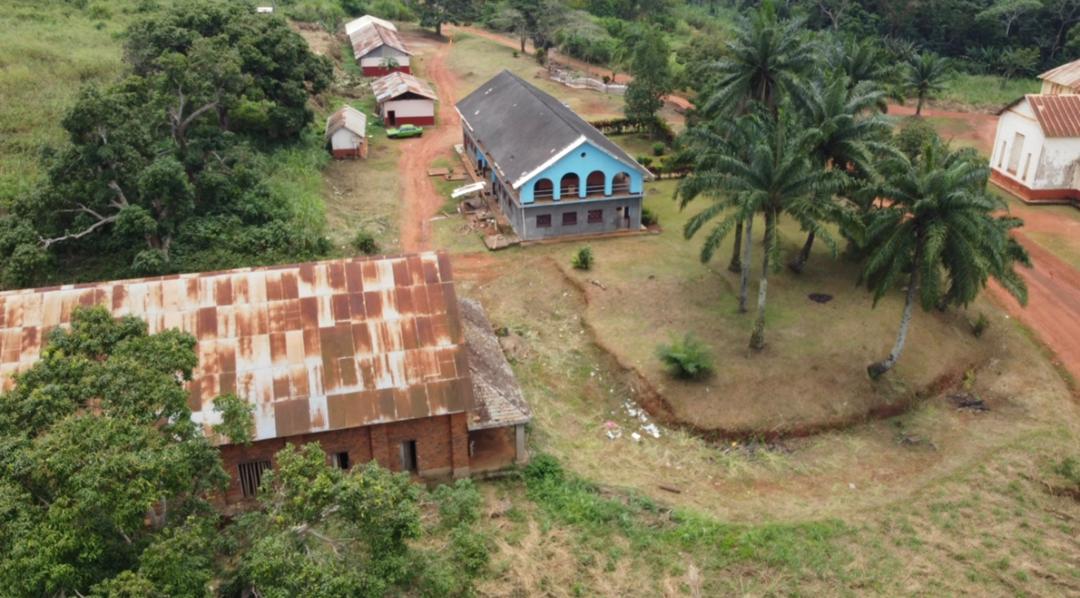
30 km from Yaoundé (capital of Cameroun), in the Méfou-et-Afamba department, Nkolafamba district, Centre region, lies the Catholic mission of Omvan, which extends over 37 hectares. The St Cœur de Marie Catholic elementary school is one of the first in the Archdiocese of Yaoundé and was founded 87 years ago, in 1936, and opened in 1951. Omvan school has unique features, such as Cultural Fridays, where classes stop mid-day to allow children to express themselves culturally. They have the opportunity to share and learn about local cuisine, translation and the history of the names of the surrounding villages. Village chiefs also frequently come to tell tales and moral riddles, allowing the children to reconnect with their roots. In addition to classes, Omvan school’s pedagogy involves learning the traditional Ewondo language and doing beneficial manual work, such as growing tubers and cereals. Harvests are sold, and income is shared with students in the form of bonuses or allocated to the school’s development. The school also boasts a soccer stadium, which has played host to the likes of Roger Milla, one of the first African players to become an international star. The stadium was once used by Catholic missionaries to organize sports matches between neighboring villages. Today, it is a meeting point for pupils and a social, ecclesiastical and cultural heritage site. Within the grounds administered by the Omvan parish, there is also the Omvan boarding school, which cedes its premises to the nursery school pupils. There are two buildings serving as dormitories, a kitchen, a refectory and a shower room. The Catholic mission housed the Ad Lucem hospital between the 60s and 90s. Although the hospital was destroyed, the parish built a health center a few years later to care for sick students, teachers, clergy and administrators. For all its joy, the Omvan school has its share of tribulations. Although it has 10 classrooms, only 6 are currently in use, accommodating all cycles from SIL – Section d’Initiation au Langage (1st grade equivalent) to cours moyen 2ème année (3rd grade equivalent), with an average of 20 pupils per room. In 2022, 162 pupils were regularly enrolled. However, the school faces a number of challenges, not least the inability of some parents to pay school fees, resulting in 38 of the 200 students enrolled dropping out at the start of the 2021 school year. Added to this is a lack of infrastructure, particularly books that don’t conform to the new national curriculum. Many children live between 3 and 8 km from the school, and are often called upon by their parents in the morning for household and agricultural chores. As a result, they often arrive late and too exhausted to attend classes or do their homework. Most teachers have to leave Yaoundé every morning to travel 30 km to Omvan, which delays lessons. To remedy this situation, the school administration has decided to renovate a dilapidated old building to house the teachers, thus reducing their travel time. This undertaking requires funds that are currently unavailable. Why is Omvan school so important to Pierre Thierry Noah Foundation? Omvan school held a special place in the heart of Pierre Thierry Noah, late husband of Patricia Noah, to whom we owe the Pierre Thierry Noah Foundation. He was welcomed there at the age of four, and the school played a major role in forging his identity. Pierre devoted a great deal of energy and resources to renovating the school and improving the students’ living and learning conditions. His dedication to the school and its students testifies to his passion for education and his desire to create a better future for the children of Cameroon. Pierre Thierry Noah Foundation is keen to continue Pierre’s work. One of our major achievements was the “La Rentrée des Héros” event held at Omvan school in September 2022. This event resulted in the donation of 1,200 books, which will remain the property of the foundation and benefit future students. In addition, the foundation awarded full scholarships to the most courageous students. This effort helped to reduce the school absenteeism rate by 68%. However, despite this significant progress, much remains to be done to meet the challenges facing the school. Omvan School needs more support to improve the quality of teaching, provide better learning opportunities for its students and a better situation for its teachers. Your support can have a significant impact, whether through direct sponsorship of a child, donations of school materials or financial aid, the gift of time and skills, or the dissemination of information about the school’s needs. Together, we can make a difference and ensure that Omvan school remains a place where children can learn, grow and flourish. Learn more about how Pierre Thierry Noah Foundation contributes to education of children in Cameroon. Click Here! Donate today to make a change for our Future Heroes!
The Current State of Education in Cameroon and Sub-Saharan Africa: Challenges and Solutions
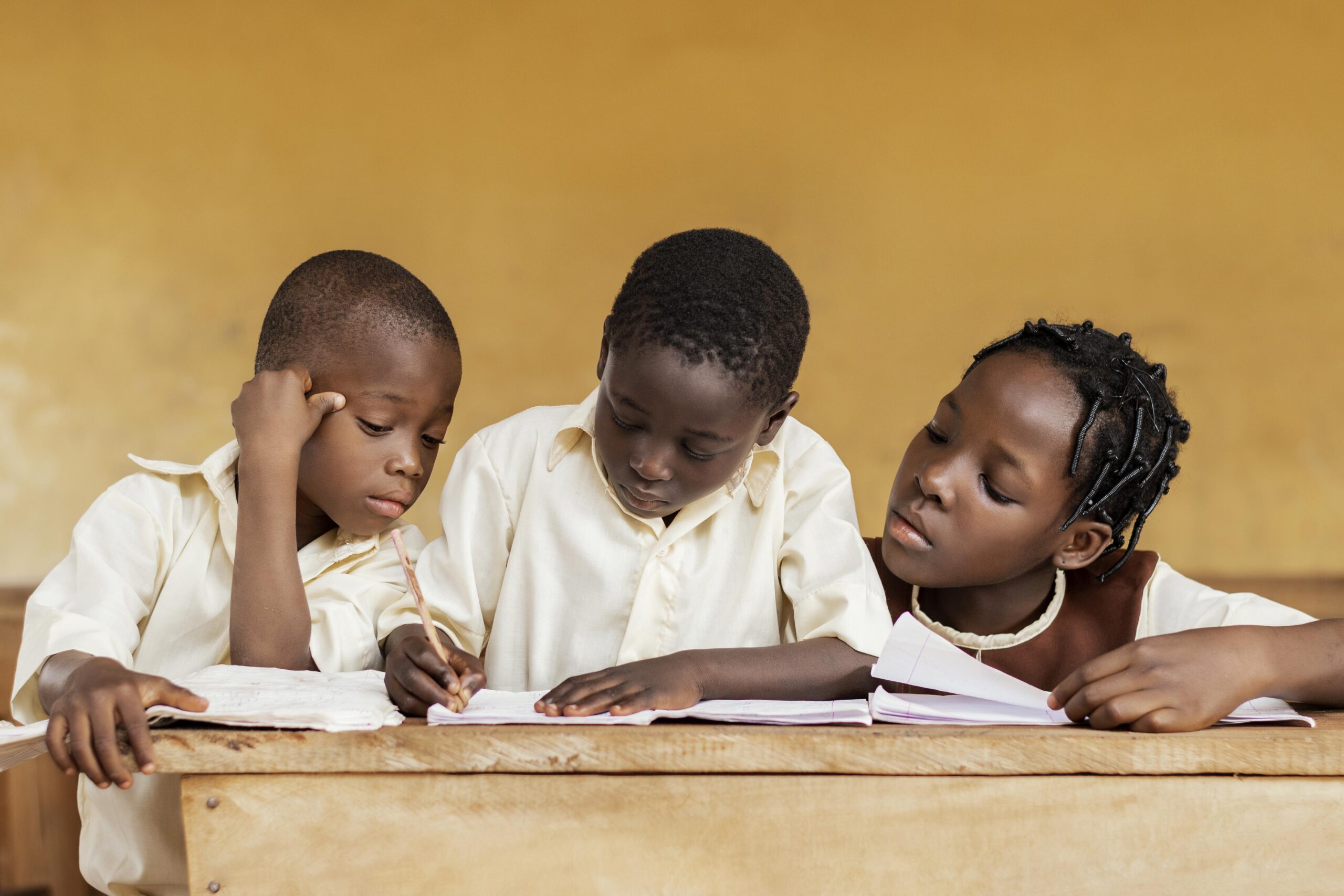
A question that is constantly etched in our minds and hanging on the corner of our lips is: « What is wrong with sub-Saharan Africa? » How is it that until 2018, 3 out of 10 adults could not read and/or write? Why is it that of all children enrolled in primary school, only half of them go on to secondary school? Is sub-Saharan Africa really condemned to being a hidden gem that will probably remain hidden until it manages to ‘escape’ the limitations of its environment and finally shine? Are sub-Saharan countries simply too lazy to improve their current situation? Are we not seeing what other African countries are doing and the impact they are having on society? So what is wrong with sub-Saharan Africa? Let’s go into what is considered a typical school in sub-Saharan Africa. What you will notice first is the number of students. Ideally, a teacher is responsible for an average of 24 students in a class. In sub-Saharan Africa, this number is often twice as high. In Cameroon, it is easy to find classes where one teacher is responsible for more than 100 pupils. This means that students may not receive the individual attention and support they need to learn effectively. If you look around that same classroom, something else may catch your eye. It is very likely that there are twice as many boys as girls. It is even more likely that, over the years, 2 out of 5 girls in this class end up leaving school without completing primary education, and 3 out of 5 end up leaving school without completing secondary education. This is not so bad, some would say, considering that outside the school walls, 1.5 million children under the age of 14 have simply never had access to education in Cameroon. In sub-Saharan Africa as a whole, there are about 87 million, and the number is rising. These problems are not new. So why is it still the same? Let’s start with the point that seems easiest to address. If classes are too large, it would be sufficient to divide them so that teachers have fewer children to keep track of. Unfortunately, qualified teachers are in short supply. Less than half of Cameroon’s current teachers have had initial training, and even if all teachers (qualified or not) were to teach a class of 24, at least 30,000 more would be needed to meet the country’s education goals. This figure takes into account the fact that the available teachers are actually willing to take on this role. Despite the heavy workload and long hours, the starting salary for a primary school teacher in Cameroon is about US$240 per month. It is therefore understandable that many teachers in Cameroon and sub-Saharan Africa report low levels of job satisfaction. What about regions that have a limited number of classrooms relative to the size of their population or simply no schools at all? In addition, conflict and instability in some areas disrupt education, with schools damaged or destroyed and families forced to flee their homes. This makes it difficult, if not impossible, for children to attend and complete school. A notable example is the North-West and South-West regions of Cameroon, where, as a result of the Anglophone crisis, 4,000 schools have closed, depriving more than 700,000 children of regular classes for almost four school years. Poverty is the biggest challenge we face. Families cannot afford the costs of education, such as school fees, uniforms and textbooks. This can encourage child labour, especially for girls, in household chores but not only. It reduces the time and resources available for education. But can anyone really be blamed for abandoning the quest for greater knowledge to focus on survival? This is not to inspire pity or empathy. The facts we describe are reality. Our aim is not to justify the state of education in Cameroon in particular, or in sub-Saharan Africa in general, but to highlight the reasons why progress seems so slow in coming. Furthermore, we wish to encourage this progress by highlighting the actions that are being taken by authorities and individuals to create a better future for Cameroon and sub-Saharan Africa. At the same time, we recognise that we are still a long way off. We know that we need help, but we also know that we can be that help. We can sponsor a child today and provide access to education. This could be financial support to cover school fees, uniforms and supplies, and other costs associated with attending school. Imagine the relief this will bring to parents, who will then be less dependent on their children, both boys and girls, to work or do household chores. It is true that organisations such as UNICEF and the World Bank are supporting the development of infrastructure in education. However, the burden is so heavy that it is imperative that other non-profit organisations, such as Pierre Thierry Noah Foundation, take it to heart to support this laudable effort. We could also support teachers, who are at the forefront of shaping our future heroes, by providing them with access to training and resources to help them develop the skills they need to provide a quality education to their students. We can ensure that our future heroes in Cameroon and sub-Saharan Africa have access to quality education and that teachers have the resources and support to deliver it. Every little step we take brings us closer to the future we want for our heroes. Let’s act today and support the education sector in Cameroon and sub-Saharan Africa to create a better future for people in the region. Together, our small efforts can lead to significant change. Learn more about how Pierre Thierry Noah Foundation contributes to education of children in Cameroon. Click Here! Donate today to make a change for our Future Heroes!
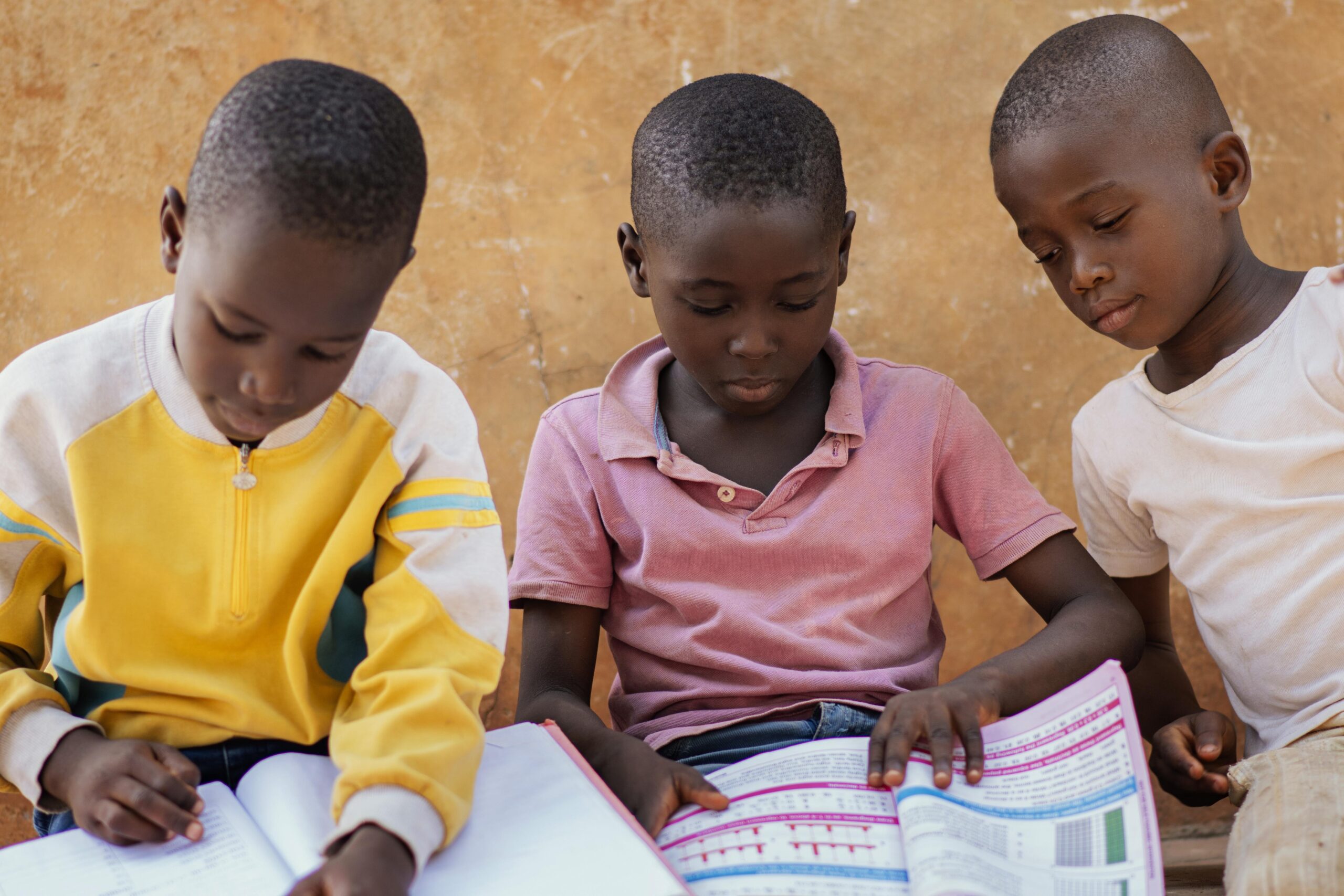
The Critical Importance of Education in Sub-Saharan Africa and Cameroon (Statistics)
Education is a fundamental human right that provides individuals with the knowledge and skills they need to lead fulfilling and productive lives. However, in Sub-Saharan Africa, Cameroon not being exempt, access to education is often limited due to various socioeconomic and cultural factors. In this blog post, our approach will first be to paint a picture of what a world without education looks like, highlighting the social, economic, and political consequences. We will then demonstrate how education can address these issues and provide individuals and communities with the tools they need to thrive. By the end of this article, we hope to emphasize the urgent need for increased investment in education in Cameroon and Sub-Saharan Africa, and highlight the positive impact it can have on individuals and society as a whole. 1. Poverty According to the World Bank, in 2020, 84.5% of the population in Sub-Saharan Africa lived on less than $5.50 a day. In Cameroon, 37.5% of the population lived below the poverty line in 2014. Education can play a key role in reducing poverty by equipping children with the skills and knowledge they need to secure better-paying jobs and lift themselves out of poverty. Through education, children can learn skills in areas such as math, science, and technology, which are in high demand in the modern job market. Furthermore, education can promote economic growth and development by fostering innovation and entrepreneurship. As children grow up with access to quality education, they are more likely to become innovators and entrepreneurs who can create new businesses, and lift themselves and their families out of poverty. 2. Economic stagnation or decline Education can spur economic growth and development by fostering innovation, entrepreneurship, and productivity. Sub-Saharan Africa’s economic growth rate in 2021 is projected to be 3.4%, which is below the global average of 4.4%. Cameroon’s GDP growth rate was 3.8% in 2019, lower than the average growth rate of 5.3% for Sub-Saharan Africa. By investing in education, countries in the region can build a skilled workforce that is capable of driving economic growth and innovation. Education can equip individuals with the skills they need to start businesses, create jobs, and contribute to the economy. It can also support the development of new industries and the diversification of economies. 3. Gender Inequality According to UNESCO, in 2020, 29 million girls of primary school age and 33 million girls of lower secondary school age were out of school in Sub-Saharan Africa. In Cameroon, the adult literacy rate for females was 68.4% in 2018, compared to 81.1% for males. Education is a powerful tool for promoting gender equality and empowering girls and young women. It can help to break down the barriers that prevent them from reaching their full potential, such as social norms and stereotypes. By ensuring that girls have access to quality education, they are more likely to marry later, have fewer children, and earn a higher income. Education can also improve women’s health and reduce their vulnerability to violence and exploitation. Access to education empowers young people, especially girls, who are often marginalized in this region, to make informed choices about their lives and to participate fully in their communities. 4. War and conflict According to the United Nations, in 2020, there were 18.7 million forcibly displaced people in Sub-Saharan Africa due to conflict and persecution. In Cameroon, the ongoing conflict in the Anglophone regions has resulted in the displacement of over 700,000 people. An estimated 3.9 million people were in need of humanitarian assistance in 2020, primarily due to conflict and displacement. Education can play a critical role in promoting peace and stability in conflict-affected areas. By providing education to children and young people, we can help to mitigate the negative impact of conflict and promote social cohesion. Education can also help to reduce the risk of children being recruited into armed groups or engaging in other forms of violence. In Cameroon, education can be a tool for bringing together communities that have been divided by the conflict in the Anglophone regions. Education can also help to create a sense of normalcy and routine in the lives of displaced children, providing them with a sense of stability and security. Education can contribute to peace and stability in the region by promoting understanding and tolerance among different ethnic and religious groups. 5. Poor health and environmental degradation Poor health and environmental degradation are major challenges in the region. In Sub-Saharan Africa, one in five children does not receive basic vaccinations, according to the World Health Organization. This can lead to the spread of preventable diseases and a lack of access to quality healthcare. In Cameroon, only 52% of the population has access to clean water, and only 16% has access to basic sanitation, according to UNICEF. Poor sanitation and water quality can contribute to the spread of diseases and environmental degradation. Education can play a critical role in addressing these challenges. By educating children on basic hygiene practices, disease prevention, and environmental conservation, they can become agents of change in their communities. Additionally, education can lead to better health outcomes, as educated individuals are more likely to seek medical care and adopt healthy behaviors. 6. Social decay or regression Social decay or regression is also a significant challenge in the region. In Sub-Saharan Africa, 40% of the population lives in fragile or conflict-affected states, according to the World Bank. In Cameroon, the country faces challenges in promoting human rights and democratic governance, according to the United States Department of State. Education can help address these challenges by promoting social cohesion, peacebuilding, and human rights. Educated individuals are more likely to participate in democratic processes, promote peaceful conflict resolution, and respect the rights of others. Furthermore, education can empower individuals to advocate for their rights and hold their governments accountable. Education provides a platform for promoting human rights and social justice, which are essential to personal and social development. 7. Population vulnerability A region’s prospects of growth are based on its
